
Rodent service in Malaysia
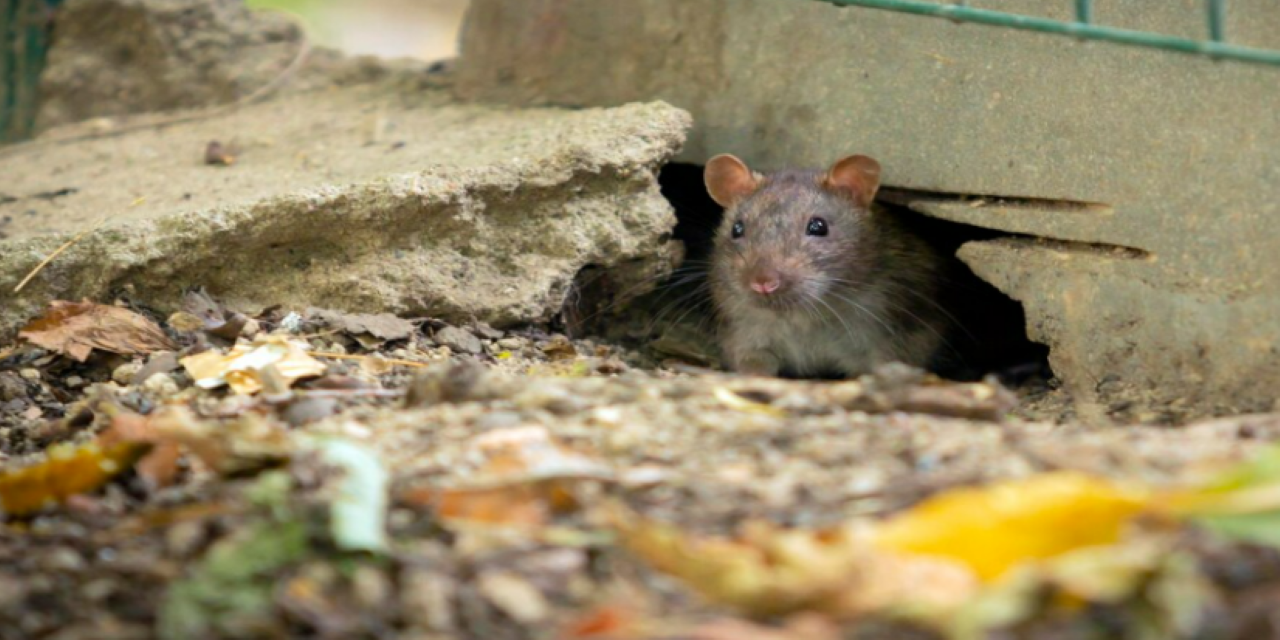
Malaysia has a diverse range of rodent species, including rats. It can create considerable damage and health dangers in homes and businesses. They have a keen sense of smell and are skilled at locating food sources, which can result in the contamination of stored food and the spread of disease via their droppings and urine. Rodents are known for their capacity to multiply quickly. As a result, it is critical to manage any infestation as soon as possible in order to prevent further damage and associated health dangers.
Common Rodents Species in Malaysia
Rattus Norvegicus
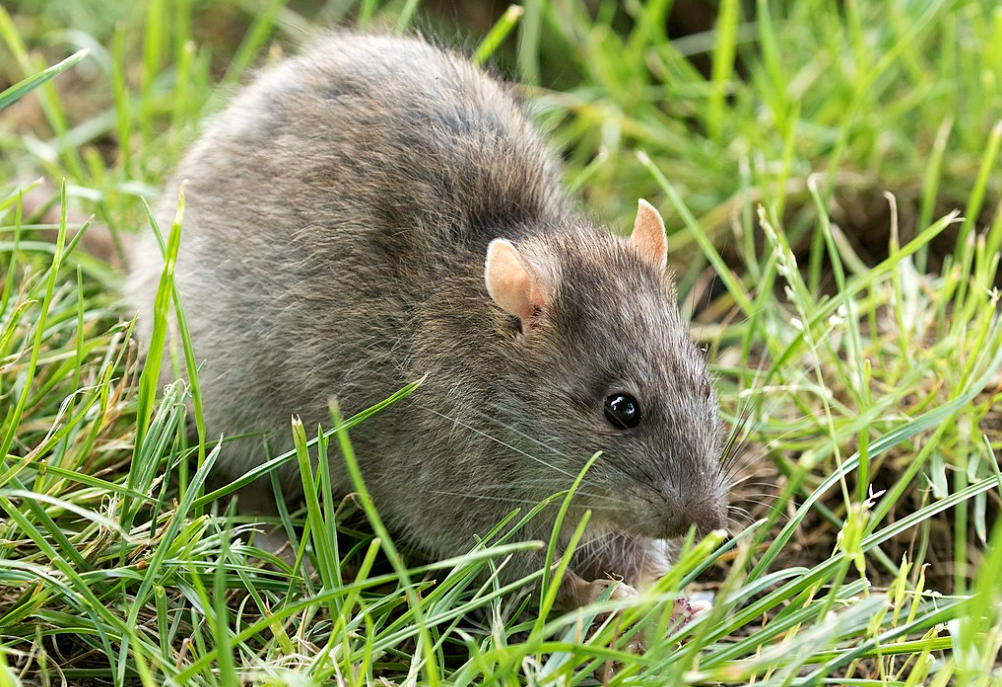
Rattus norvegicus is the scientific name for brown rats.
Brown rats are well known for their flexibility and ability to survive in urban contexts, where they can be a nuisance and disease carriers. Brown rats are about 20-25 cm long, with a tail that is about the same length as their body. They have dark fur, short ears, and a snout that is pointed. They are omnivorous, eating a wide range of things such as grains, fruits, and insects. They wreak havoc on homes, farms, and other structures. Diseases can also be transmitted to humans and other animals by their droppings, urine, and bites.
Brown rats are well known for their flexibility and ability to survive in urban contexts, where they can be a nuisance and disease carriers. Brown rats are about 20-25 cm long, with a tail that is about the same length as their body. They have dark fur, short ears, and a snout that is pointed. They are omnivorous, eating a wide range of things such as grains, fruits, and insects. They wreak havoc on homes, farms, and other structures. Diseases can also be transmitted to humans and other animals by their droppings, urine, and bites.
Rattus Rattus
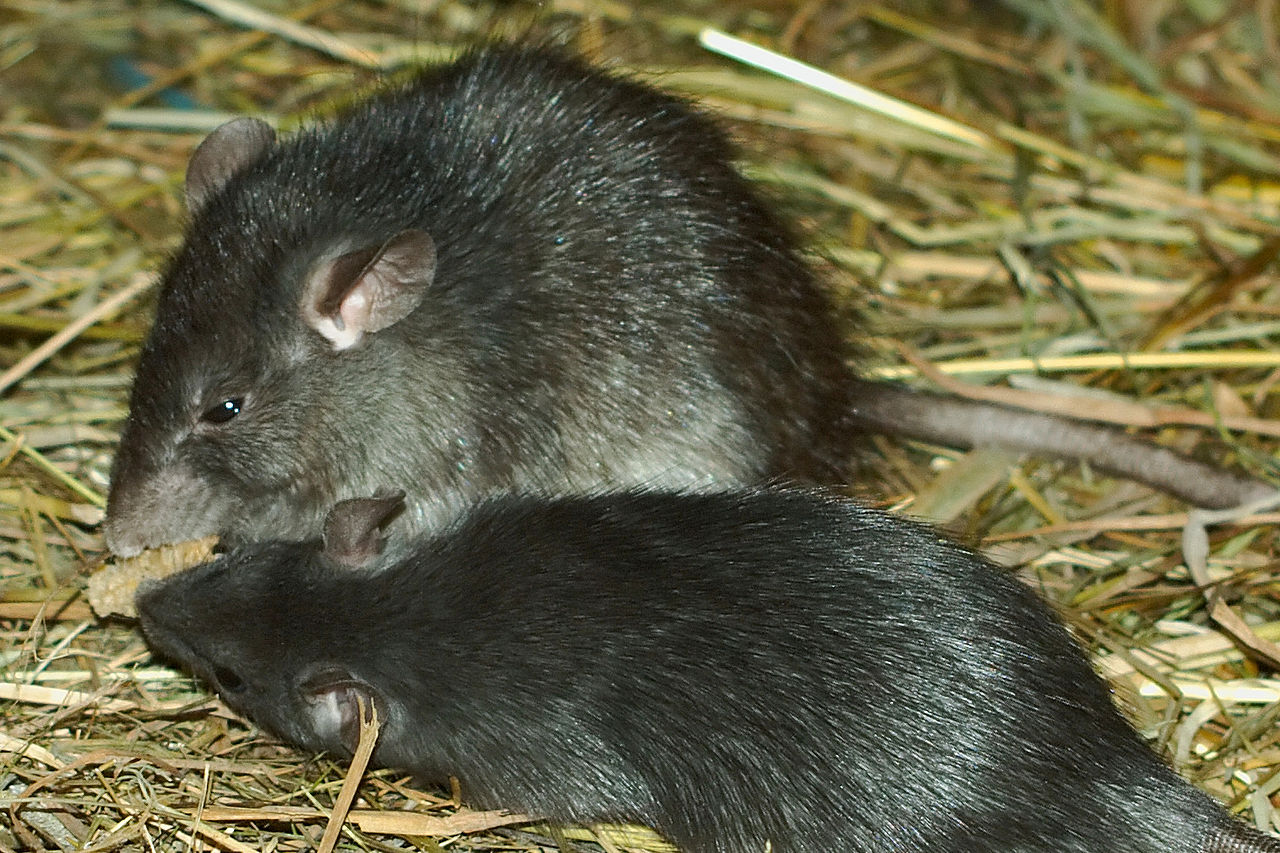
Rattus rattus is the scientific name for the black rat.
The black rat is smaller than the brown rat and has a pointed snout, big ears, and a long, thin tail. It has grey or white fur on its belly and black or dark brown fur on its back. It is an expert climber and is frequently seen in trees or elevated regions such as attics or rafters. They are great climbers and are frequently seen in trees, attics, and other high locations. They are also renowned to be extremely bright, with the ability to learn to solve complicated issues. The black rat is a known carrier of diseases such as bubonic plague and is considered an invasive species in many parts of the world.
The black rat is smaller than the brown rat and has a pointed snout, big ears, and a long, thin tail. It has grey or white fur on its belly and black or dark brown fur on its back. It is an expert climber and is frequently seen in trees or elevated regions such as attics or rafters. They are great climbers and are frequently seen in trees, attics, and other high locations. They are also renowned to be extremely bright, with the ability to learn to solve complicated issues. The black rat is a known carrier of diseases such as bubonic plague and is considered an invasive species in many parts of the world.
Tupaia Glis
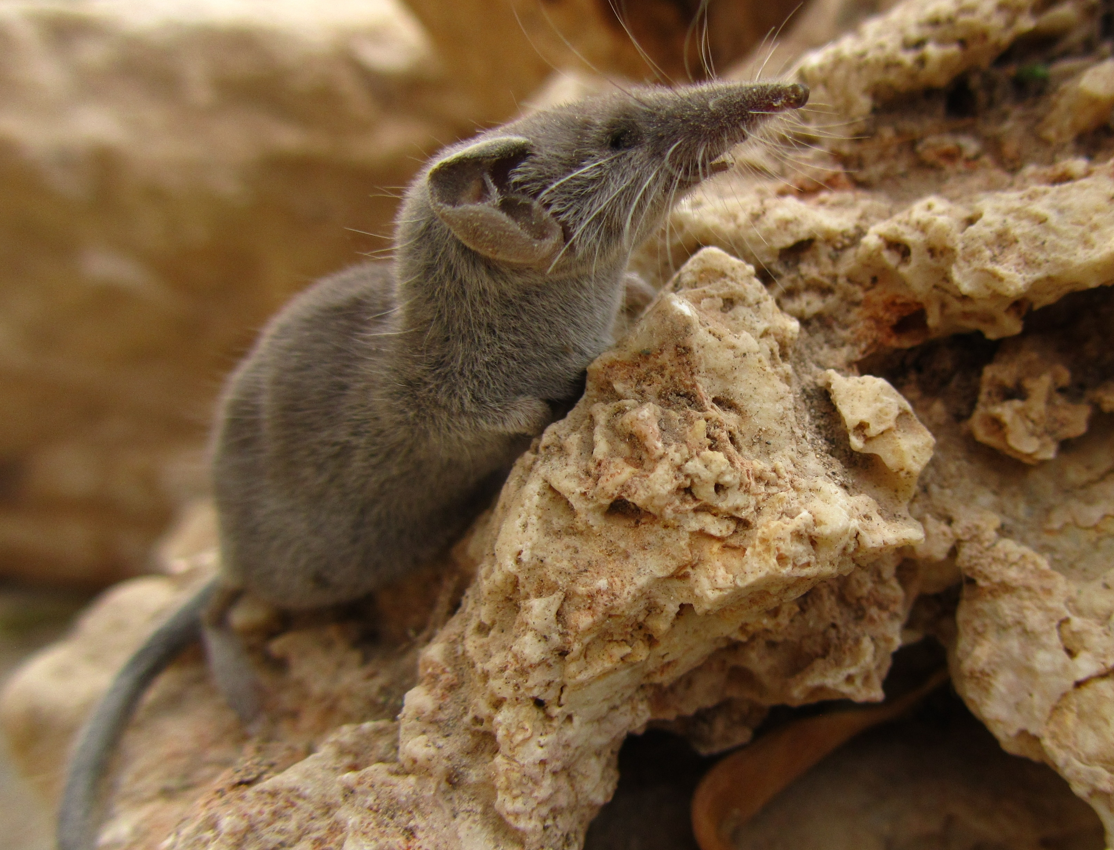
Tupaia glis, also known as the common treeshrew or malayan treeshrew.
Treeshrews have a slim bodies, a long nose, and huge eyes, as well as a bushy tail around the length of their body. They have a lighter-colored belly and are often reddish-brown or grayish-brown in color. They are arboreal and mostly active during the day, climbing trees and shrubs with their strong claws in search of insects, fruits, and other small animals to consume. They have a fast metabolic rate and must eat regularly to stay energized. In terms of reproduction, treeshrews achieve sexual maturity around the age of six months. Females give birth to litters of one to four offspring following a 45-day gestation period.
Treeshrews have a slim bodies, a long nose, and huge eyes, as well as a bushy tail around the length of their body. They have a lighter-colored belly and are often reddish-brown or grayish-brown in color. They are arboreal and mostly active during the day, climbing trees and shrubs with their strong claws in search of insects, fruits, and other small animals to consume. They have a fast metabolic rate and must eat regularly to stay energized. In terms of reproduction, treeshrews achieve sexual maturity around the age of six months. Females give birth to litters of one to four offspring following a 45-day gestation period.
Bandicota Bengalensis

The Bandicota bengalensis also known as the lesser bandicoot rat.
Lesser bandicoot rats can be found in agricultural fields, meadows, and woodlands. They are well-known climbers and burrowers, and they can cause crop damage by feeding on them. Lesser bandicoot rats are brown or grey in color, with a lighter underbelly, a tail about the same length as its body, and large, round ears. It has strong and powerful teeth that allow it to bite through difficult materials like wood and plastic. They are nocturnal and feed on plants and animals such as grains, insects, and tiny vertebrates. Lesser bandicoot rats are essential hosts for a variety of diseases that can be transmitted to people, including leptospirosis, plague, and murine typhus.
Lesser bandicoot rats can be found in agricultural fields, meadows, and woodlands. They are well-known climbers and burrowers, and they can cause crop damage by feeding on them. Lesser bandicoot rats are brown or grey in color, with a lighter underbelly, a tail about the same length as its body, and large, round ears. It has strong and powerful teeth that allow it to bite through difficult materials like wood and plastic. They are nocturnal and feed on plants and animals such as grains, insects, and tiny vertebrates. Lesser bandicoot rats are essential hosts for a variety of diseases that can be transmitted to people, including leptospirosis, plague, and murine typhus.
Greater Bandicoot Rat
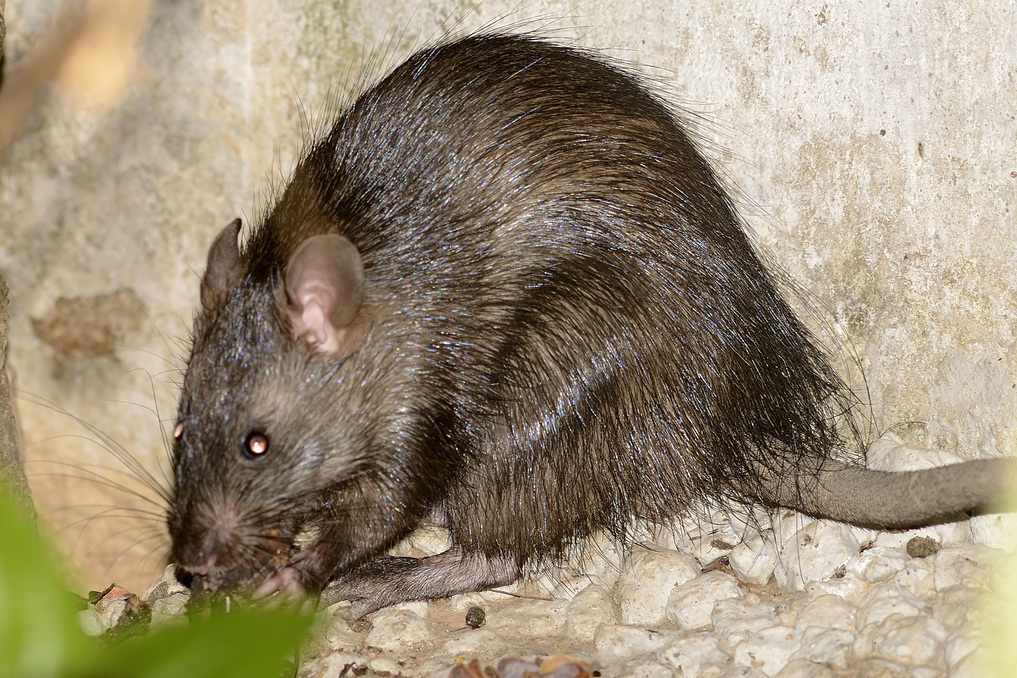
The Greater Bandicoot Rat, also known as the Bandicota Indica
The Bandicota indica rat is a huge rodent, growing up to 40 cm in length, with a long tail and grayish-brown fur. The species is notable for its sharp teeth, which are specialized for biting through tough plant material and burrowing into the soil. It has a robust body and a pointed snout. Bandicota indica rat is predominantly herbivorous, feeding on a wide range of plants, including rice, wheat, and sugarcane. They have also been observed eating insects and other small animals on occasion. These nocturnal rats spend most of their time in burrows or other underground habitats.
The Bandicota indica rat is a huge rodent, growing up to 40 cm in length, with a long tail and grayish-brown fur. The species is notable for its sharp teeth, which are specialized for biting through tough plant material and burrowing into the soil. It has a robust body and a pointed snout. Bandicota indica rat is predominantly herbivorous, feeding on a wide range of plants, including rice, wheat, and sugarcane. They have also been observed eating insects and other small animals on occasion. These nocturnal rats spend most of their time in burrows or other underground habitats.
Mus Musculus
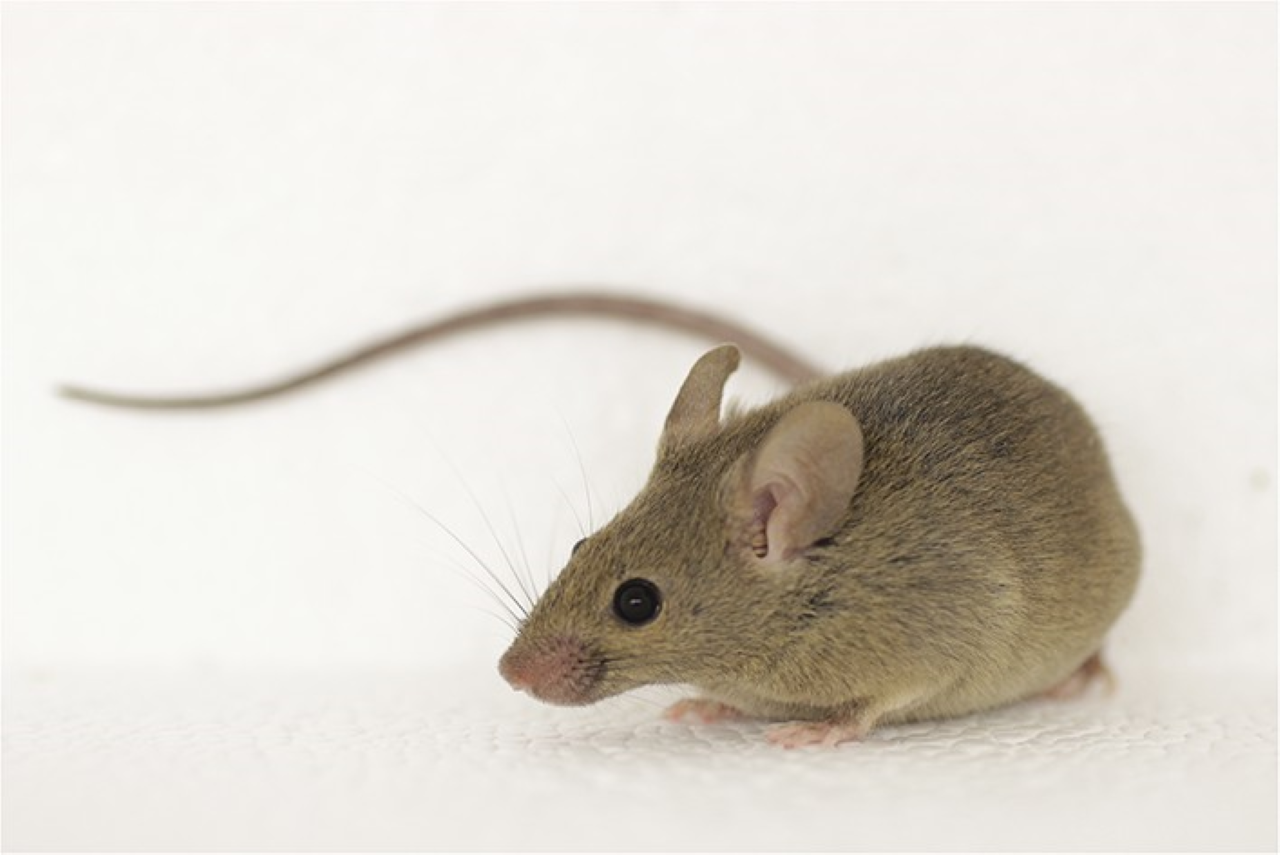
Mus musculus is the scientific name for the house mouse.
It has grayish-brown fur on its back and lighter fur on its belly. It is a nocturnal animal with an acute sense of hearing, smell, and touch. House mouse are prolific breeders, producing many litters every year, with each litter containing 5-6 young. Every three weeks, females give birth to litters of up to 12 pups. They are omnivorous, eating practically anything, including grains, seeds, fruits, insects, and small animals. They are also known to be disease carriers, such as Hantavirus and Salmonella, and they can cause property damage by nibbling on wires, insulation, and other materials.
It has grayish-brown fur on its back and lighter fur on its belly. It is a nocturnal animal with an acute sense of hearing, smell, and touch. House mouse are prolific breeders, producing many litters every year, with each litter containing 5-6 young. Every three weeks, females give birth to litters of up to 12 pups. They are omnivorous, eating practically anything, including grains, seeds, fruits, insects, and small animals. They are also known to be disease carriers, such as Hantavirus and Salmonella, and they can cause property damage by nibbling on wires, insulation, and other materials.
How Does Rodent Service Process?

Pesco pest control offers the skills and tools required to safely and successfully get rid of rats and can assist in identifying and eliminating rodent infestations using safe and effective ways.
Step 1 Inspection
Inspect the property to evaluate the extent of the rat infestation, discover access locations, and decide on the best eradication strategy.
Step 2 Set Traps
Once the inspection is completed, traps will be placed in strategic locations to attract and eradicate rodents.
Step 3 Baiting
Baiting is another strategy that involves laying poison baits in areas where rats are known to congregate. It is critical to use appropriate and safe products that will not cause harm to other animals or humans.
Step 4 Exclusion
Pesco pest control will locate potential access points that rodents could use to enter the property and advise sealing up any probable points in order to stop further infestations.
Step 5 Monitoring
Monitor the situation to ensure that the rat population is decreasing and, if necessary, take additional action. They may also make advice for preventing future infestations, such as clearing clutter, performing routine maintenance, and properly storing food.
Step 1 Inspection
Inspect the property to evaluate the extent of the rat infestation, discover access locations, and decide on the best eradication strategy.
Step 2 Set Traps
Once the inspection is completed, traps will be placed in strategic locations to attract and eradicate rodents.
Step 3 Baiting
Baiting is another strategy that involves laying poison baits in areas where rats are known to congregate. It is critical to use appropriate and safe products that will not cause harm to other animals or humans.
Step 4 Exclusion
Pesco pest control will locate potential access points that rodents could use to enter the property and advise sealing up any probable points in order to stop further infestations.
Step 5 Monitoring
Monitor the situation to ensure that the rat population is decreasing and, if necessary, take additional action. They may also make advice for preventing future infestations, such as clearing clutter, performing routine maintenance, and properly storing food.
FAQs of Rodent Service
Q: Why do I need a rodent service?
A: Rodents can carry diseases, cause damage to property, and reproduce quickly. A rodent service can help prevent infestations and protect your home or business from potential health and safety hazards.
Q: Is a rodent service safe for pets and children?
A: In general, professional rodent services use methods and products that are safe for pets and children when used properly and according to instructions. If you have pets or children, it's a good idea to inform the rodent service provider before they begin work.
Q: How long does a rodent service take?
A: The length of a rodent service depends on the severity of the infestation and the size of the property. Some services may be completed in a single visit, while others may require multiple visits over a period of weeks.
Q: How can I prepare for rodent service?
A: Take note of any areas where you have seen rodent activity or signs of their presence, such as droppings, gnaw marks, or nesting materials. It is also recommended to inform the service provider of any pets or small children in the home to ensure their safety during the process.
Q: How often should I schedule a rodent service?
A: The frequency of rodent services depends on the level of risk for infestations in your area and the results of the previous service. A service provider can recommend a schedule based on your specific needs.
A: Rodents can carry diseases, cause damage to property, and reproduce quickly. A rodent service can help prevent infestations and protect your home or business from potential health and safety hazards.
Q: Is a rodent service safe for pets and children?
A: In general, professional rodent services use methods and products that are safe for pets and children when used properly and according to instructions. If you have pets or children, it's a good idea to inform the rodent service provider before they begin work.
Q: How long does a rodent service take?
A: The length of a rodent service depends on the severity of the infestation and the size of the property. Some services may be completed in a single visit, while others may require multiple visits over a period of weeks.
Q: How can I prepare for rodent service?
A: Take note of any areas where you have seen rodent activity or signs of their presence, such as droppings, gnaw marks, or nesting materials. It is also recommended to inform the service provider of any pets or small children in the home to ensure their safety during the process.
Q: How often should I schedule a rodent service?
A: The frequency of rodent services depends on the level of risk for infestations in your area and the results of the previous service. A service provider can recommend a schedule based on your specific needs.
Bottom Line
Improper use of rodent treatment products can also be harmful to pets and other animals that may come into contact with them. Professionals understand how to administer medications in a way that reduces the possibility of harm to non-target species. Without professional assistance, determining the degree of a rodent infestation and the best technique for treatment can be challenging. Attempting to treat the problem yourself can result in poor treatment or perhaps worsen the situation.